
Several initiatives to establish Kaska Protected and Conserved Areas — also known as Indigenous Protected and Conserved Areas (or ‘IPCAs’) in the wider Canadian context — are currently underway in Kaska Territory. These include the Dene Kʼéh Kusān IPCA initiative, the Ross River IPCA initiative, and LFN’s own IPCA initiative, which is focused on (but not limited to) three proposed areas:

Tū Chō – Agedze Tue – Nahanni
- Area of significance to Kaska Dena for thousands of years
- Home to cabins, teaching areas, ceremonial and spiritual places, and burial and birth sites
- Waterways and lakes deeply tied to Kaska ways of life and rights-based practices (known travel and trade routes used by Kaska ancestors)
- Intersects with Kudz Ze Kayah, which means “caribou country”
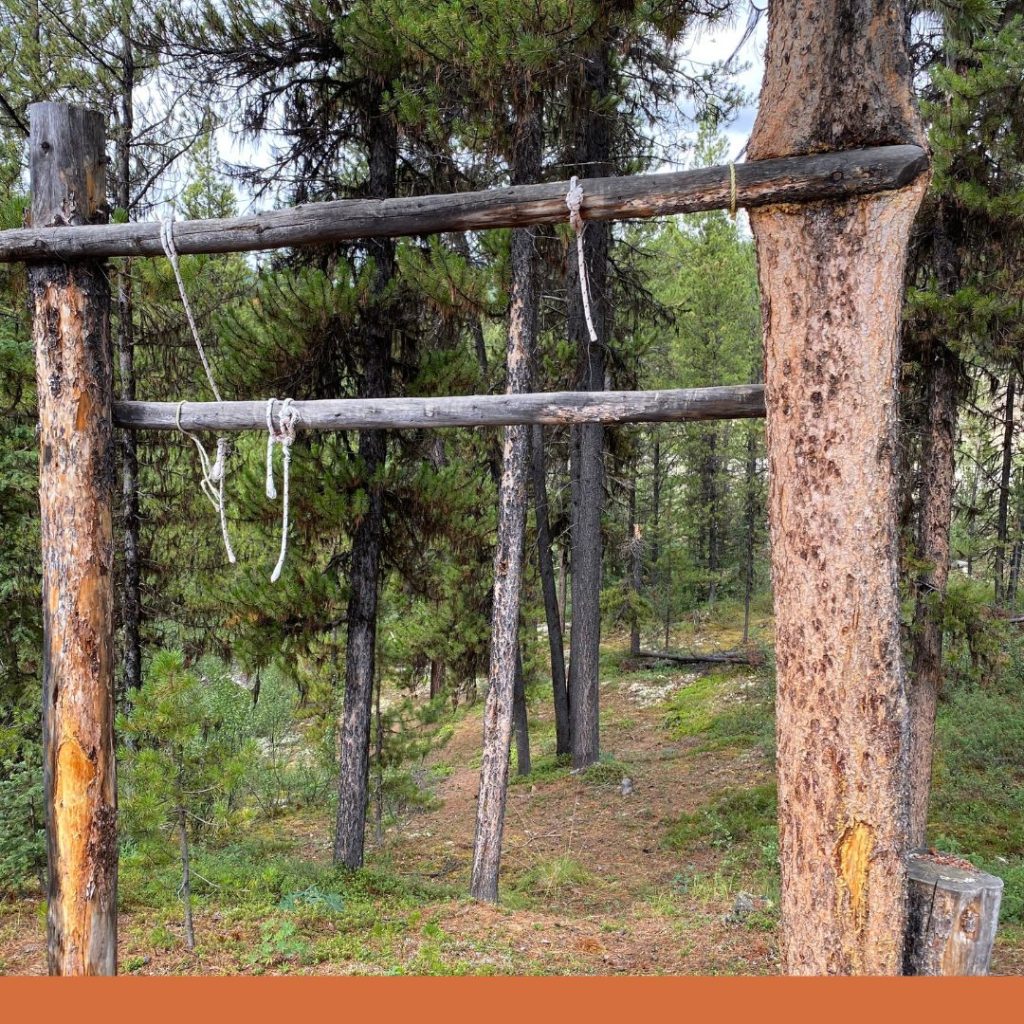
Toobally Lakes
- Important fishery and hunting and trapping area
- Important habitat for tens of thousands of migratory birds
- Home to Kaska places of significance (camping sites, burial places) throughout the Coal River Springs area
- Key part of critical trail systems and trade routes

Little Rancheria
- Home to cabins, burial places, and gathering locations
- Two Mile Lake – central to Kaska knowledge transmission
- Core habitat for the Little Rancheria caribou herd as well as habitat for moose and sheep
- Many significant Kaska landmarks
- High mineral potential with active claims and exploration, abandoned mines
On the map, LFN’s proposed IPCAs are shown in green. The map also shows the other two Kaska-led IPCA initiatives and their locations within Kaska Territory.

More About the Proposed LFN IPCAs
Proposing the location of LFN Protected and Conserved Areas involves extensive research by Kaska and non-Kaska experts, and community engagement and planning. This combination of Kaska Knowledge and western science helps to ensure that the vision for each IPCA is guided by what matters most to our community.
As the map shows, three areas have been identified as a starting point for community discussions about the LFN IPCA initiative: Tu Cho (Frances Lake), Toobally Lakes, and Little Rancheria. These three areas offer a solid foundation for our IPCA work, but they need to be reviewed by LFN citizens. In other words, the LFN community is not limited to the proposed areas. Learn more about how we are working with LFN citizens to determine what should be protected, where the protected areas should be, and what types of protections are needed.
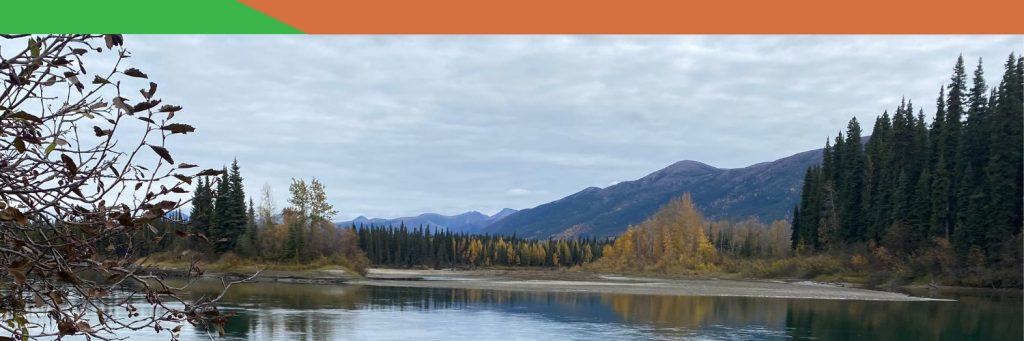
Why Are the Proposed LFN Protected and Conserved Areas Needed?
Across Kaska Territory, protections for lands and waters are stitched together through a patchwork of federal, provincial, and territorial laws, legislation, and tenures. Parks — whether territorial, provincial, federal, or managed under an LSA tenure — are one of the most well known tools for protecting land today. While certain areas—like Coal River Springs Territorial Park, which LFN helped to establish in 1990—do have western-style protections, Kaska interests remain largely unprotected, particularly in southeast Yukon.
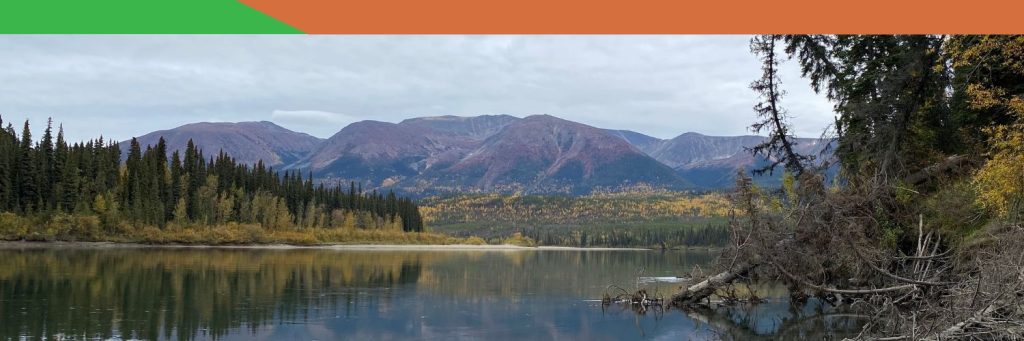
LFN citizens have taken part in regional land planning and protection planning previously, including the effort to designate Frances Lake as a Special Management Area (SMA). However, with no formal recognition of Kaska Title by the Government of Canada or the Government of Yukon, progress on designating land protections stalled, and proposed designations were never completed.
In the meantime, Kaska Territory has continued to face development and exploration pressures that make it harder for LFN citizens to meaningfully practice their Rights. The portion of Kaska Territory that straddles the Yukon/BC border, in particular, has experienced a wide range of industrial and rural development, including road construction, mining, mineral exploration, big game hunting, outfitting, and logging. Much of this activity has occurred without our consent.
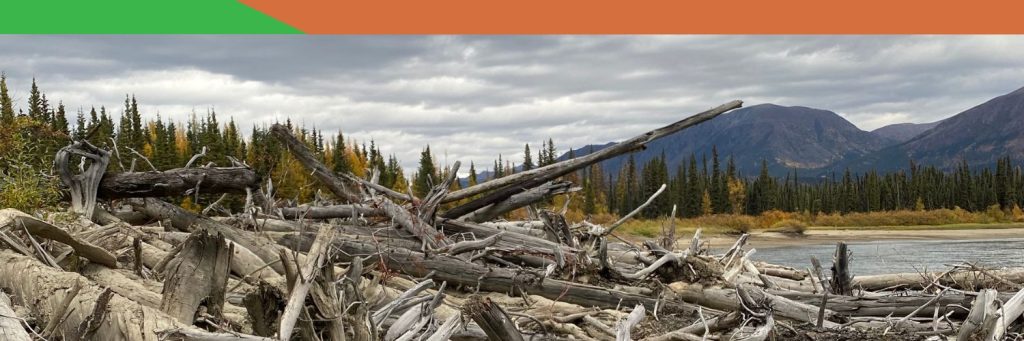
We need stronger protections and a decisive role in decisions affecting Kaska Territory. Establishing LFN Protected and Conserved Areas will strengthen LFN’s ability to advance a clear, community-driven vision for the protection and stewardship of Kaska lands and waters in the proposed areas. IPCAs are gaining momentum across Canada, and both the Government of Canada and the Government of Yukon agree that IPCAs should be part of the solution. We intend to make the most of this opportunity.

The LFN IPCA initiative will transform how LFN works with other governments, and establish a new framework for the meaningful exercise of Kaska Rights, including Kaska Title. It will empower our people to take up and take back our Kaska stewardship responsibilities through protection of our lands and waters for future generations.